How to Handle Emergency Cleaning Situations: Pro Tips for Homeowners
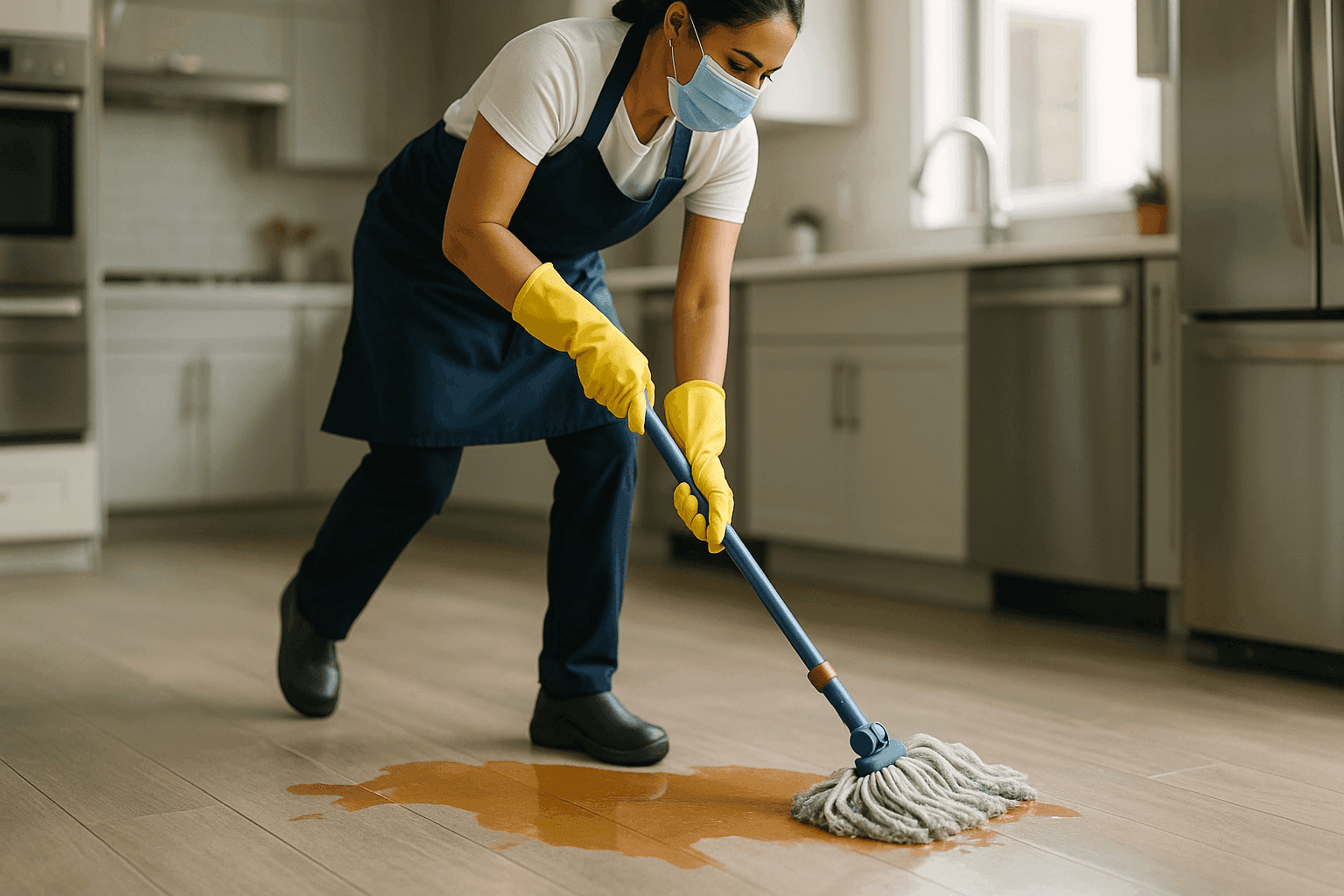
Emergencies don’t knock before barging in. One moment your home feels safe; the next, it’s chaos—spilled wine, a burst pipe, muddy paw prints, or a toppled candle. It’s overwhelming, and your mind races: “What now?” You’re not alone. At Maidics, we’ve helped countless households just like yours restore calm after cleaning crises.
Every second counts. The right steps can limit the damage and help your space bounce back. Here’s how to take control when disaster strikes at home—with actionable advice straight from experienced maid_services pros.
Common Home Emergencies
Life happens fast. Messes do too. Here are some of the most frequent cleaning emergencies homeowners face:
- Major liquid spills: Red wine on carpets, coffee on the couch, juice on hardwood floors.
- Flooding or leaks: Burst pipes, overflowing bathtubs, washing machine mishaps.
- Pet accidents: Urine, vomit, or tracked-in mud—especially before guests arrive.
- Broken glass: Shattered dishes, dropped lightbulbs, or ornaments.
- Smoke or soot: From kitchen mishaps, candles, or small appliance fires.
- Debris after storms: Mud, leaves, branches, and water tracked in from outside.
- Biohazards: Blood, waste, or chemicals—requiring special care.
Each situation feels different, but the stress ties them together. The good news? There’s a method to the madness.
Quick Response Steps 🧤
Think of emergency cleaning like putting out a small kitchen fire: act fast, but don’t fan the flames. Here’s your rapid-response checklist:
- Pause and assess: Make sure everyone is safe. Don’t rush in if there’s risk of slipping, broken glass, or electrical hazards.
- Protect yourself: Grab gloves, closed-toe shoes, and—if needed—a mask. Safety first.
- Stop the source: For leaks, turn off water. For ongoing mess, remove the cause (e.g., pets, toppled items).
- Contain the mess: Use towels or old sheets to block spreading liquids. Close doors to keep pets or kids out.
- Ventilate: Open windows if there’s smoke, fumes, or strong odors.
- Blot, don’t scrub: For spills, gently blot with a clean towel. Scrubbing can set stains deeper.
- Remove debris: Carefully pick up large pieces (like glass) with a broom and dustpan. Never use bare hands.
- Bag and dispose: Secure contaminated rags, paper towels, or broken items in a sturdy trash bag.
If you suspect electrical or structural damage, evacuate and consult local safety authorities or your fire department (see guidance via National Fire Protection Association).
When to Call a Professional
Some messes are like quicksand—the more you struggle, the deeper you sink. Here’s when it’s time to bring in maid_services or specialized cleaning help:
- Flooding or standing water: Mold and structural damage set in fast. If water covers more than a small area or seeps into walls, call for professional help immediately.
- Soot, smoke, or fire residue: These can be hazardous. Pros have the right tools and protective gear.
- Biohazard or chemical spills: For blood, bodily fluids, or unknown chemicals, don’t risk exposure.
- Persistent odors or stains: If DIY methods don’t work, pros use enzyme treatments and equipment you won’t find at the store.
- Post-disaster cleanup: After major storms, construction, or events where debris and contamination are widespread.
Remember, some situations require not just cleaning but proper sanitization and disposal per EPA and OSHA guidelines.
Preventing Further Damage 🛑
Speed is crucial—but so is strategy. Here’s how to stop a minor mess from becoming a major headache:
- Act fast: The longer a spill or mess sits, the harder it is to clean.
- Use the right cleaner: Always check labels. Using bleach on the wrong surface can cause damage.
- Test small areas: Before applying a cleaning product, test on a hidden spot to avoid discoloration.
- Dry thoroughly: Moisture is an open invitation for mold. Use fans, open windows, or a dehumidifier in damp areas.
- Document damage: Take photos for insurance if the mess is severe (flood, fire, storm).
- Check for hidden issues: Water can travel under floors or behind walls. If you notice musty smells or discoloration later, call a pro for an inspection.
Practical Tips for DIY Emergency Cleaning
Not every mess needs a team of experts—but every mess needs care. Here’s how to tackle common crises safely:
For Spills and Stains
- Carpet/fabric: Blot up as much as possible. Mix mild dish soap with water, dab gently, then blot dry.
- Hard floors: Wipe immediately with a damp (not soaking) mop. Dry thoroughly to prevent warping.
- Walls: Use a soft sponge with warm, soapy water. Avoid abrasive pads.
For Flooding
- Shut off water: Know where your main valve is.
- Remove valuables: Move electronics and furniture to dry areas.
- Start drying: Use towels, fans, or a shop vac (never a household vacuum on water).
For Pet Accidents
- Blot first: Absorb as much as possible.
- Apply enzyme cleaner: These break down odors and stains at the source. Let it sit before blotting again.
- Ventilate the room: Open windows if weather allows.
For Broken Glass
- Sweep up: Use a broom and dustpan, not your hands.
- Wipe the area: Use a damp paper towel to catch tiny shards.
For Smoke or Soot
- Ventilate: Open windows and doors.
- Wipe surfaces: Use a dry cleaning sponge or specialty soot sponge for best results.
When to Call a Professional
If you’re ever unsure, remember—it’s okay to call for help. Maidics offers everything from Emergency Cleaning Services to Holiday Cleaning near you. Here’s when it’s best not to go it alone:
- You feel overwhelmed or unsafe.
- The mess is spreading or worsening.
- There’s risk of mold, illness, or injury.
- Cleaning attempts make matters worse.
Our maid_services bring the right know-how, tools, and products for fast, safe results.
What Professionals Do On Arrival
Wondering what to expect when a cleaning team arrives? Here’s a peek behind the curtain:
- Assessment: We size up the situation, identify hazards, and set priorities.
- Safety setup: Wearing protective gear, we isolate the area and safeguard your property.
- Specialized cleaning: Using industrial equipment, enzyme cleaners, and HEPA vacuums for deep dirt and odor removal.
- Moisture control: For water emergencies, we extract standing water, dry surfaces, and monitor humidity.
- Sanitization: Disinfecting to eliminate germs, mold, or biohazards.
- Debrief: We’ll walk you through what was done and offer tips for prevention.
Every Maidics team follows CDC and EPA cleaning standards to protect your home and family.
Prevention & Maintenance
The best emergency is the one that never happens. Here’s how you can make your home more “mess-proof”:
- Schedule regular cleaning: Routine visits from maid_services keep buildup in check.
- Tackle small messes promptly: Don’t let crumbs or spills linger.
- Install leak detectors: Early warning for plumbing leaks can save thousands.
- Store cleaning supplies accessibly: Quick access is key in a pinch.
- Pet-proof trouble spots: Place mats under food bowls, use washable covers.
- Review safety plans: Know where shut-off valves and emergency exits are.
Costs & Time Factors
No one likes surprises—except maybe birthday parties. Here’s what to expect when emergencies hit:
- DIY cleaning: Supply costs add up, especially for big messes or repeated accidents.
- Professional cleaning: Pricing depends on size, severity, and type of emergency—more complex situations (like water damage or biohazards) take longer and require specialized gear.
- Time investment: A quick spill may take 15 minutes. Flooding cleanup can last hours or even days.
- Hidden costs: Delayed action can mean mold remediation or repairs later.
Most insurance policies cover certain emergencies—check your policy for details.
When It’s an Emergency
If any of these apply, treat your situation as urgent:
- Standing water or sewage inside your home
- Electrical hazards or the smell of gas
- Biohazard exposure
- Smoke, soot, or recent small fires
- Persistent, unexplained odors
Call emergency services first in life-threatening situations. For cleanup, Maidics is ready for swift action.
FAQ
How soon should I act after a major spill or leak?
Immediately. The first minutes are crucial for preventing stains, warping, and mold.
Can I use bleach on pet stains?
No. Bleach can set stains and create toxic fumes, especially with ammonia-based messes. Use enzyme cleaners designed for pet accidents.
Is it safe to clean up broken glass with a vacuum?
Never use a regular vacuum for glass. It can ruin the machine and scatter shards. Stick to brooms, dustpans, and damp paper towels.
How do I know if mold is starting after a water spill?
Watch for musty odors, discoloration, or fuzzy spots on walls or floors. If in doubt, call a professional for inspection.
Local/Seasonal Considerations 🌦️
Weather and seasons bring unique cleaning curveballs. In rainy months, track mud and water at entryways. Winter can mean salt stains and soggy carpets. During holidays or parties, accidents multiply as guests gather.
- Keep entry mats clean and dry.
- Have extra towels by doors during storms.
- Book Holiday Cleaning near you before and after big events.
- Check basements and attics seasonally for leaks or dampness.
Ready for Anything: Your Next Steps
Emergency cleaning is stressful—but you don’t have to face it alone. Fast action and smart choices make all the difference. Whether it’s a spilled drink or a flooded room, Maidics is here with professional maid_services to restore peace and order to your home.
Call Maidics now — or reach us anytime at 877-703-4283 .